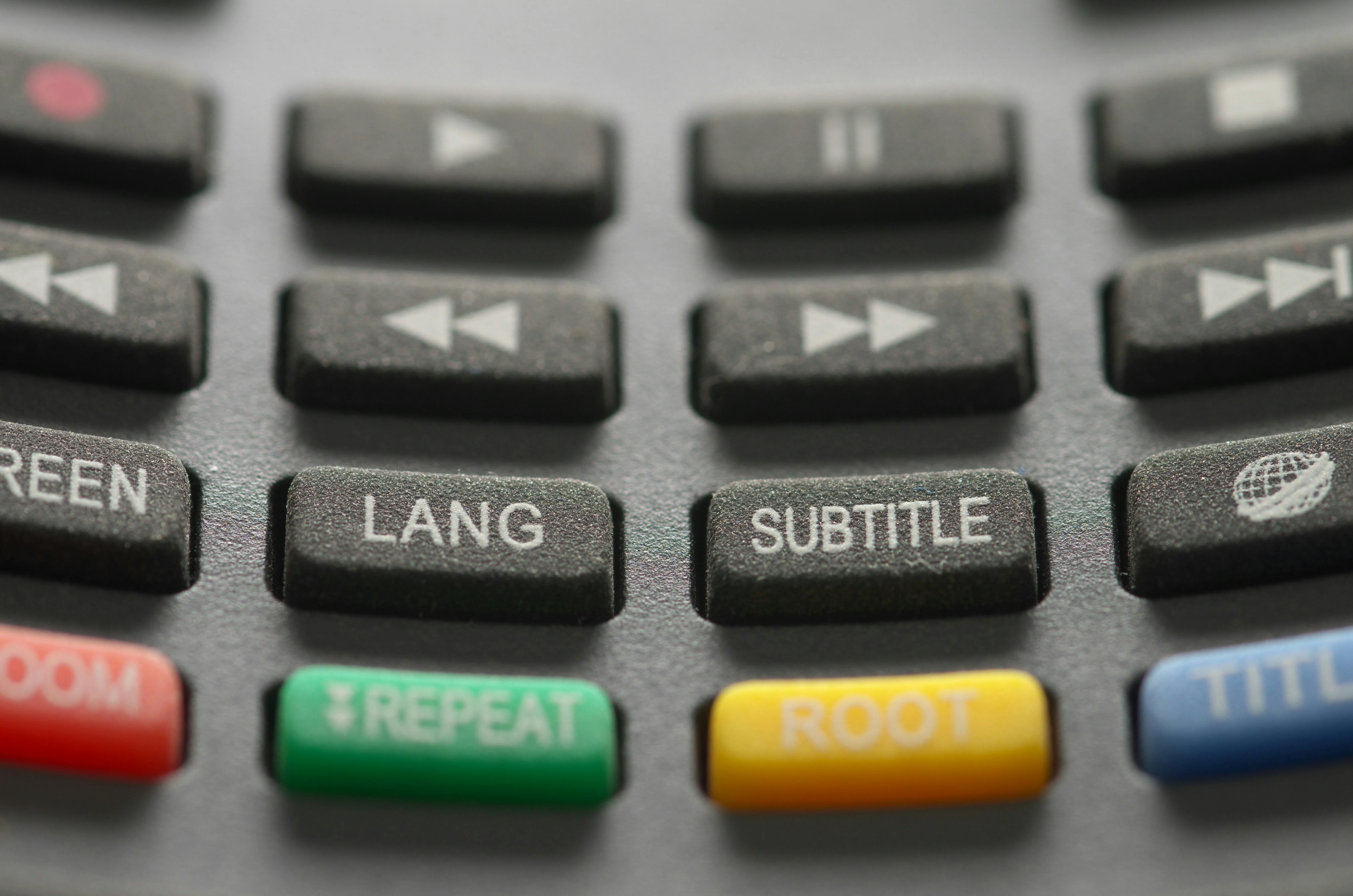
Television accessibility features including subtitles, closed captions, sign language interpretation, and audio description help ensure Georgian television serves diverse audiences including people with hearing or vision impairments, language learners, and viewers in sound-sensitive environments. Understanding accessibility features and their implementation provides insights into how Georgian television works to include all viewers.
The Importance of Accessibility
Television accessibility ensures that people with disabilities can enjoy and benefit from television content, fulfilling both legal obligations and moral responsibilities to serve all citizens. Accessibility features make television inclusive while expanding potential audiences. Implementing accessibility demonstrates commitment to serving diverse viewer needs.
Legal requirements in many countries mandate certain accessibility features, though specific requirements vary. Even without strict legal mandates, providing accessibility features represents best practice that serves viewers while potentially expanding audiences. Accessibility demonstrates social responsibility while supporting business goals.
Audience expansion occurs when accessibility features make content available to viewers who might otherwise be excluded. People with hearing impairments, vision impairments, or language barriers can access content through appropriate accessibility features. Expanded audiences benefit both viewers and broadcasters.
Social inclusion results when accessibility features help people with disabilities participate in shared cultural experiences that television provides. Watching popular programs, discussing content with others, and participating in cultural conversations become possible through accessibility. Inclusion strengthens social bonds while serving individual needs.
Types of Accessibility Features
Subtitles provide text versions of dialogue and important audio information, displayed on screen during programs. Subtitles help viewers who are deaf or hard of hearing, people learning languages, and viewers watching in sound-sensitive environments. Quality subtitles accurately represent dialogue while providing context about important sounds.
Closed captions are similar to subtitles but include additional information about sound effects, music, and other audio elements beyond dialogue. Captions provide comprehensive text representation of program audio, helping viewers understand complete audio experience. Closed captions serve broader accessibility needs than simple subtitles.
Sign language interpretation features interpreters who translate program content into sign language, displayed in corner of screen or separate window. Sign language interpretation serves viewers who use sign language as primary communication method. This feature requires skilled interpreters and appropriate screen placement.
Audio description provides spoken narration describing visual elements of programs for viewers who are blind or have vision impairments. Audio description narrates actions, settings, facial expressions, and other visual information that sighted viewers see. Quality audio description enhances understanding without interfering with program audio.
Subtitles and Closed Captions
Georgian language subtitles make content accessible to viewers who are deaf or hard of hearing while also serving language learners and viewers in sound-sensitive environments. Quality Georgian subtitles accurately represent dialogue, maintain proper timing, and use appropriate language. Subtitling requires linguistic skill and technical expertise.
Foreign language subtitles help international content reach Georgian audiences who may not understand original languages. Subtitles allow viewers to follow foreign programs while maintaining original audio. Foreign language subtitling requires translation skills and cultural adaptation.
Live captioning provides real-time text representation of live programs including news, sports, and talk shows. Live captioning requires skilled captioners who can keep pace with fast-paced content. This feature makes live programming accessible to viewers who need text support.
Caption quality standards ensure that subtitles and captions are accurate, properly timed, and clearly readable. Quality standards help maintain accessibility effectiveness while ensuring professional presentation. Maintaining quality requires ongoing attention and resources.
Sign Language Interpretation
Georgian sign language interpretation makes programs accessible to viewers who use sign language as primary communication method. Interpreters translate program content into sign language, displayed on screen during broadcasts. This feature requires skilled interpreters and appropriate technical implementation.
Interpretation quality depends on skilled interpreters who accurately convey program content while maintaining appropriate pace and clarity. Quality interpretation requires training, experience, and understanding of both source content and sign language. Professional interpretation ensures accessibility effectiveness.
Screen placement of sign language interpreters must be visible without obscuring important program content. Placement decisions balance interpreter visibility with content preservation. Technical implementation requires careful consideration of screen layout.
Availability of sign language interpretation varies by program type and broadcaster resources. News programs and important public events often receive interpretation, while entertainment programming may have limited availability. Resource constraints affect interpretation availability.
Audio Description
Audio description provides spoken narration of visual elements for viewers who are blind or have vision impairments. Narrators describe actions, settings, facial expressions, and other visual information during natural pauses in program audio. Audio description enhances understanding without interfering with original content.
Description quality requires skilled narrators who provide clear, concise descriptions that enhance understanding. Quality description balances detail with brevity, providing essential information without overwhelming listeners. Professional narration ensures effectiveness.
Timing of audio description must fit within natural pauses in program audio, requiring careful script development and precise narration. Description timing ensures that narration doesn't interfere with dialogue or important audio elements. Technical implementation requires coordination.
Availability of audio description varies by program type and broadcaster resources. Some broadcasters provide description for major programs, while others have limited availability. Resource constraints affect description availability.
Language Accessibility
Multi-language subtitles serve Georgia's diverse population, including speakers of Armenian, Azerbaijani, and other languages. Multi-language support helps ensure all citizens can access television content. Language accessibility supports social inclusion while serving practical needs.
Translation quality for multi-language subtitles requires skilled translators who understand both source and target languages and cultures. Quality translation accurately conveys meaning while adapting to target language conventions. Professional translation ensures accessibility effectiveness.
Availability of multi-language features varies by program type and broadcaster resources. News programs and important public information often receive multi-language support, while entertainment programming may have limited availability. Resource considerations affect language accessibility.
Technical Implementation
Encoding and transmission of accessibility features require technical systems that embed subtitles, captions, and other features into broadcast signals. Technical implementation must ensure that features work reliably across different receivers and platforms. Quality technical systems support accessibility effectiveness.
Digital platforms enable new accessibility possibilities including customizable subtitle appearance, multiple language options, and interactive features. Digital technology expands accessibility capabilities while requiring appropriate implementation. Platform development should include accessibility considerations.
Compatibility across devices and platforms ensures that accessibility features work regardless of how viewers access content. Compatibility requires coordination across broadcast, streaming, and mobile platforms. Universal compatibility supports accessibility effectiveness.
User controls allow viewers to customize accessibility features including subtitle size, color, and position. Customizable features help viewers optimize accessibility for individual needs. User control enhances accessibility effectiveness.
Challenges in Implementation
Cost considerations affect accessibility implementation, as features require resources for creation, encoding, and transmission. Budget constraints may limit accessibility availability, particularly for smaller broadcasters or less popular programming. Cost considerations require balancing accessibility goals with available resources.
Technical complexity of implementing accessibility features requires expertise and appropriate systems. Technical challenges can limit feature availability or quality. Overcoming technical challenges requires investment in systems and training.
Content creation for accessibility features requires time and resources. Creating quality subtitles, captions, or audio description demands skilled professionals and adequate production time. Content creation challenges affect feature availability and quality.
Awareness and promotion of accessibility features helps viewers know about available options. Limited awareness can reduce feature usage even when features are available. Promotion and education support accessibility effectiveness.
Benefits of Accessibility
Audience expansion occurs when accessibility features make content available to viewers who might otherwise be excluded. Expanded audiences benefit both viewers and broadcasters through increased viewership and advertising potential. Accessibility supports business goals while serving social needs.
Legal compliance with accessibility requirements helps broadcasters meet obligations while avoiding potential legal issues. Compliance demonstrates commitment to serving all citizens. Legal considerations support accessibility implementation.
Social responsibility is fulfilled when broadcasters provide accessibility features that serve diverse viewer needs. Accessibility demonstrates commitment to inclusion and equal access. Social responsibility supports broadcaster reputation.
Educational benefits occur when accessibility features help language learners or people learning about different cultures. Subtitles and captions can support language acquisition while making content accessible. Educational benefits add value beyond primary accessibility functions.
Future Developments
Technology improvements will likely enhance accessibility features, with better automatic captioning, improved audio description, and new accessibility options. Technology evolution supports accessibility development. Ongoing innovation will improve feature quality and availability.
Regulatory requirements may increase accessibility mandates, requiring broadcasters to provide more comprehensive accessibility features. Regulatory changes could expand accessibility availability. Understanding regulations helps broadcasters prepare for requirements.
International standards for accessibility features help ensure consistency and quality across borders. Standards support feature development while enabling international content distribution. Standards development supports accessibility improvement.
User feedback and research will continue informing accessibility development, helping identify needs and improve features. Research supports evidence-based accessibility development. Ongoing evaluation supports continuous improvement.
Conclusion
Television accessibility features including subtitles, closed captions, sign language interpretation, and audio description help ensure Georgian television serves diverse audiences. From serving viewers with disabilities to supporting language learners, accessibility features make television inclusive while expanding potential audiences. Understanding accessibility and its implementation helps appreciate efforts to serve all viewers while recognizing both opportunities and challenges in making television accessible. As technology evolves and awareness increases, accessibility features will continue improving to better serve diverse viewer needs, making Georgian television more inclusive and accessible for everyone.
Georgian TV Accessibility: Subtitles, Dubbing, and Inclusive Viewing