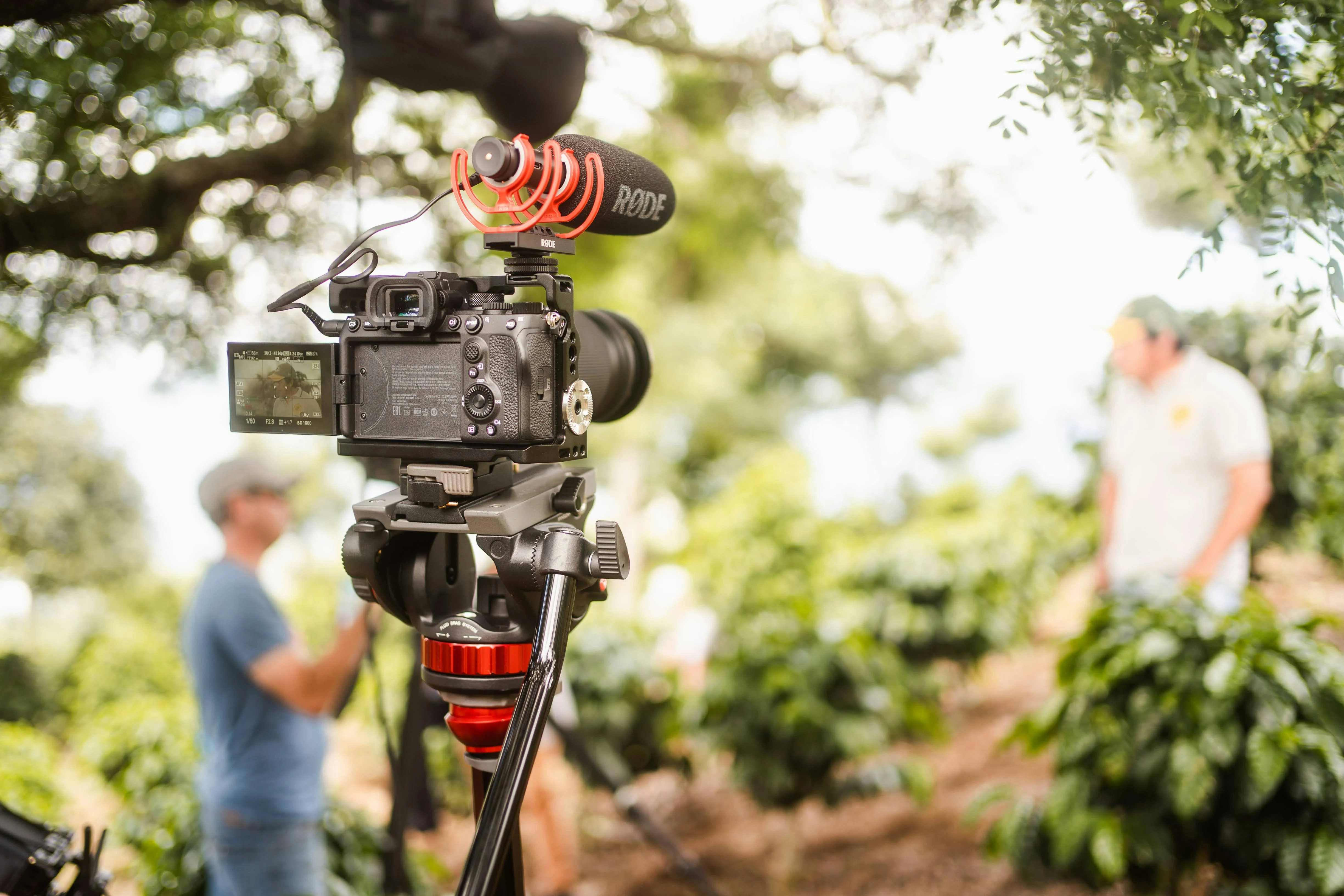
Georgian television documentaries and cultural programs serve vital functions in preserving national heritage, educating audiences, and exploring contemporary issues through thoughtful, in-depth storytelling. These programs combine entertainment with education, creating content that informs while engaging viewers in Georgia's rich history, diverse culture, and natural beauty.
The Role of Documentaries in Georgian Television
Documentaries represent important component of Georgian television programming, providing platforms for exploring topics in depth that news and entertainment programs cannot adequately address. These programs allow producers to investigate complex issues, tell compelling stories, and present information in formats that engage audiences while educating them. The best documentaries combine journalistic rigor with cinematic storytelling, creating programs that inform while entertaining.
Cultural preservation represents crucial function of documentary programming, with programs documenting Georgian traditions, customs, and ways of life that might otherwise be lost. These documentaries serve as archives of cultural knowledge, preserving information for future generations while making heritage accessible to contemporary audiences. This preservation function becomes increasingly important as Georgia modernizes and traditional practices evolve.
Educational value makes documentaries important for Georgian television, with programs teaching viewers about history, geography, science, and social issues. Educational documentaries supplement formal education while reaching audiences who may not engage with traditional learning materials. The visual and narrative capabilities of television make complex topics accessible and engaging.
Social impact occurs when documentaries address important issues, raise awareness, and influence public discourse. Investigative documentaries can expose problems, hold power accountable, and inspire change. Cultural documentaries can strengthen national identity, promote understanding, and celebrate achievements. This social function makes documentaries valuable beyond entertainment.
Types of Documentary Programming
Historical documentaries explore Georgia's past, examining events, figures, and periods that shaped the nation. These programs help viewers understand how Georgia developed, what challenges the country has faced, and how historical events influence contemporary society. Quality historical documentaries require extensive research, access to archives, and careful presentation of complex historical narratives.
Cultural documentaries examine Georgian traditions, arts, customs, and ways of life. Programs exploring traditional music, dance, crafts, cuisine, and festivals help preserve cultural knowledge while celebrating Georgian heritage. These documentaries often feature beautiful cinematography showcasing Georgia's cultural richness while explaining significance of various traditions.
Nature and wildlife documentaries showcase Georgia's diverse landscapes, ecosystems, and wildlife. These programs highlight natural beauty while educating viewers about environmental issues, conservation efforts, and Georgia's unique natural heritage. Nature documentaries often feature stunning cinematography that makes Georgia's landscapes accessible to viewers who may not travel extensively.
Social issue documentaries investigate contemporary problems facing Georgian society, exploring topics like poverty, healthcare, education, urbanization, and social change. These programs provide in-depth examination of complex issues that news programs can only cover superficially. Social documentaries can influence public opinion and policy while giving voice to marginalized communities.
Biographical documentaries profile important Georgian figures from history, politics, arts, and other fields. These programs explore individual lives while placing them in broader historical and cultural contexts. Biographical documentaries help viewers understand how individuals influenced Georgia's development while humanizing historical figures.
Production Quality and Techniques
Modern Georgian documentaries employ sophisticated production techniques including high-quality cinematography, professional editing, and compelling narratives. These technical improvements enhance storytelling while making documentaries competitive with international content. Investment in production quality reflects recognition that well-produced documentaries attract audiences and generate cultural impact.
Research forms foundation of quality documentaries, with producers spending significant time investigating topics, accessing archives, and interviewing experts. Thorough research ensures accuracy while uncovering compelling stories and information that enhance programs. Research quality directly impacts documentary credibility and value.
Interview techniques help documentaries present multiple perspectives while creating human connections that engage viewers. Skilled interviewers extract information, create comfortable environments, and facilitate conversations that reveal important insights. Interview quality significantly influences documentary effectiveness.
Narration and storytelling structure documentaries, guiding viewers through complex topics while maintaining engagement. Effective narration balances information with entertainment, explaining concepts clearly while creating narrative flow that holds attention. Storytelling structure helps viewers understand relationships between different elements of documentary topics.
Cultural Programming
Cultural programs explore various aspects of Georgian culture including music, dance, visual arts, literature, and traditions. These programs celebrate Georgian heritage while educating viewers about cultural significance and historical development. Cultural programming helps maintain traditions while making them accessible to contemporary audiences.
Music programs showcase Georgian musical traditions including polyphonic singing, traditional instruments, and contemporary Georgian music. These programs preserve musical heritage while introducing audiences to diverse musical expressions. Music documentaries often feature performances that make programs entertaining while educational.
Arts programs explore Georgian visual arts, architecture, crafts, and design traditions. These programs examine historical and contemporary artistic expressions while explaining cultural contexts and significance. Arts programming helps viewers appreciate Georgian artistic achievements while understanding their cultural importance.
Festival and celebration coverage documents Georgian holidays, religious observances, and cultural festivals. These programs preserve knowledge about traditional celebrations while showcasing how Georgians mark important occasions. Festival coverage creates shared cultural experiences that unite viewers.
Educational and Informative Content
Documentaries serve educational functions by presenting information in accessible, engaging formats. Programs covering science, geography, history, and social issues help viewers learn while being entertained. Educational documentaries supplement formal education while reaching audiences who may not engage with traditional learning materials.
Children's educational documentaries introduce young viewers to various topics through age-appropriate content. These programs help children learn about history, nature, culture, and science while developing curiosity and knowledge. Quality children's documentaries balance education with entertainment, making learning enjoyable.
Language and literature programs explore Georgian language development, literary traditions, and contemporary writing. These programs help preserve linguistic heritage while promoting appreciation for Georgian literature. Language programming supports cultural identity while educating viewers about linguistic richness.
International Perspectives
Documentaries exploring international topics help Georgians understand global issues, cultures, and developments. These programs provide windows into other societies while often drawing comparisons with Georgian experiences. International documentaries broaden perspectives while maintaining relevance to Georgian audiences.
Co-productions with international partners bring additional resources and expertise to Georgian documentary production. These collaborations can elevate production quality while expanding distribution opportunities. Successful co-productions serve as models for future international collaborations.
Distribution of Georgian documentaries internationally helps promote Georgian culture and perspectives globally. International distribution generates additional revenue while introducing international audiences to Georgian stories and heritage. This distribution supports cultural diplomacy while showcasing Georgian creative talent.
Challenges in Documentary Production
Budget constraints limit documentary production, as high-quality documentaries require significant investment in research, production, and post-production. Limited funding can restrict topic selection, production quality, and distribution opportunities. Securing adequate funding remains ongoing challenge for documentary producers.
Access challenges arise when subjects refuse participation or archives restrict material access. These limitations can prevent comprehensive coverage of important topics. Building relationships and trust helps overcome access challenges, but some topics remain difficult to document fully.
Audience size for documentaries often remains smaller than entertainment programming, making documentaries less commercially attractive to broadcasters focused on ratings. This commercial reality can limit documentary programming despite cultural and educational value. Public broadcasters and specialized channels often provide primary documentary platforms.
Balancing entertainment with education presents ongoing challenge, as documentaries must engage audiences while providing substantive content. Overemphasis on entertainment can undermine educational value, while too much information can reduce engagement. Finding appropriate balance requires judgment and audience understanding.
The Future of Documentary Programming
Georgian documentary programming will likely continue evolving to incorporate new technologies, storytelling techniques, and distribution methods. Digital platforms may enable more experimental formats, interactive elements, and innovative approaches that traditional broadcasting cannot support. These innovations could expand creative possibilities while reaching new audiences.
Streaming distribution makes documentaries accessible globally, particularly important for diaspora communities and international audiences interested in Georgian culture. Digital distribution extends documentaries' impact while generating additional revenue. This distribution represents essential component of modern documentary strategy.
International recognition of Georgian documentaries could increase as production quality improves and distribution expands. Film festival recognition, awards, and international broadcasting can elevate Georgian documentary production's profile while generating additional opportunities. This recognition supports documentary industry development.
Conclusion
Georgian television documentaries and cultural programs play essential roles in preserving heritage, educating audiences, and exploring important issues through thoughtful storytelling. From historical examinations to cultural celebrations, from nature showcases to social investigations, these programs inform while entertaining, preserving while innovating. Understanding documentaries and their significance helps appreciate their value in Georgian media landscape while recognizing both opportunities and challenges facing documentary production in digital age. These programs contribute to cultural preservation, education, and social discourse, making them valuable components of Georgian television that serve functions beyond entertainment.
Georgian TV Documentaries and Cultural Programs: Exploring Heritage and History