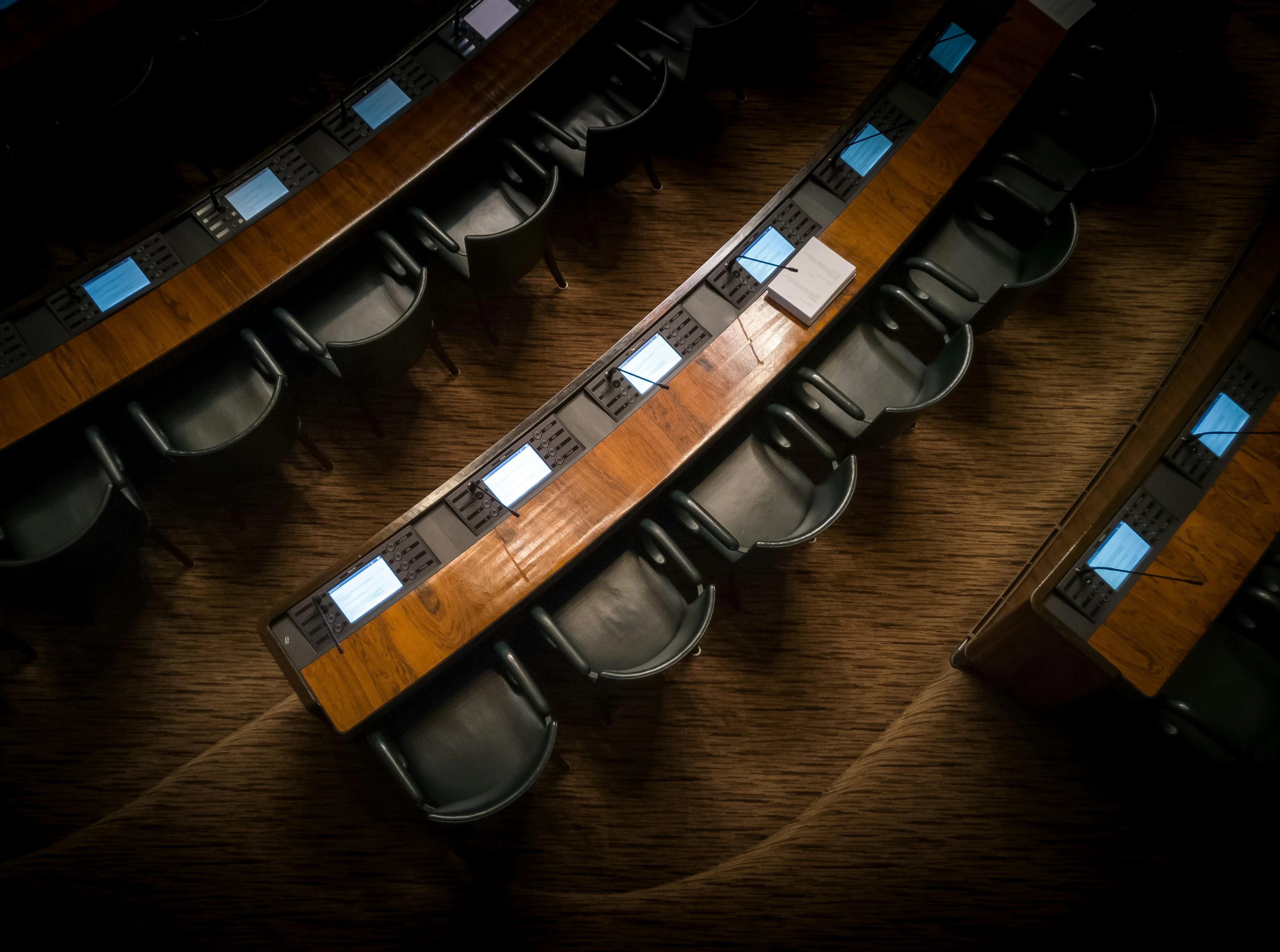
Georgian television talk shows and political debate programs serve as crucial platforms for public discourse, providing spaces where politicians, experts, and citizens discuss important issues facing the country. These programs shape public opinion, influence political processes, and contribute to democratic development by facilitating informed discussion and debate.
The Role of Talk Shows in Georgian Democracy
Talk shows have become essential components of Georgian democratic culture, providing forums where diverse perspectives on political and social issues can be expressed and debated. These programs help inform citizens about current events, policy proposals, and political developments while allowing viewers to hear multiple viewpoints on controversial topics. This function proves particularly important in Georgia's developing democracy, where informed citizen participation remains crucial.
Political talk shows often feature direct confrontations between politicians from different parties, creating opportunities for voters to compare positions and evaluate candidates. These debates help voters make informed decisions during elections while holding politicians accountable for their statements and positions. The most effective talk shows create environments where substantive policy discussions occur rather than mere political theater.
Public engagement with talk shows extends beyond passive viewing, with programs often incorporating viewer questions, social media interactions, and audience participation. This engagement helps citizens feel connected to political processes while providing feedback mechanisms that influence program content and focus. Interactive elements make talk shows more democratic and responsive to public interests.
Talk shows serve as accountability mechanisms, with hosts and panelists questioning politicians about their actions, policies, and promises. This scrutiny helps prevent abuses of power while encouraging transparency in government. Programs that consistently hold power accountable contribute to democratic health while building public trust in media institutions.
Types of Political Talk Shows
Prime-time political talk shows feature extended discussions of current events, policy issues, and political developments. These programs typically run for one to two hours, allowing in-depth exploration of complex topics. Prime-time placement ensures maximum audience reach, making these programs particularly influential in shaping public opinion.
Debate programs bring together representatives from different political parties or perspectives to argue positions on specific issues. Structured debate formats help ensure balanced representation while creating opportunities for direct confrontation of ideas. These programs help voters understand policy differences while evaluating argument quality and evidence.
Interview programs feature one-on-one conversations between hosts and guests, allowing detailed exploration of individual perspectives. These formats enable deeper examination of specific topics or personalities than panel discussions allow. Interview programs often reveal personal motivations, policy details, and character insights that help viewers evaluate political figures.
Analytical programs feature expert panels discussing current events with greater depth than news programs typically provide. These shows help viewers understand complex issues by breaking them down into component parts and exploring various implications. Expert analysis provides context that helps citizens make sense of rapidly developing political situations.
Popular Talk Show Formats
Panel discussions featuring multiple guests representing different perspectives create dynamic conversations that explore issues from various angles. These formats require skilled hosts who can manage multiple participants while ensuring all voices receive fair hearing. Successful panel discussions balance structure with spontaneity, creating engaging programs that inform while entertaining.
Town hall formats bring together politicians, experts, and citizens in discussions that feel more democratic than traditional studio programs. These formats help bridge gaps between political elites and ordinary citizens while creating opportunities for direct citizen participation. Town hall programs often generate memorable moments that influence public opinion.
Call-in programs allow viewers to participate directly by phoning or messaging questions and comments. This interactivity creates more democratic formats while ensuring programs address issues citizens care about. Call-in segments require careful moderation to maintain quality while allowing genuine public participation.
Documentary-style talk shows combine investigative reporting with discussion, providing context through video packages before engaging guests in conversation. These formats help viewers understand complex issues before hearing expert or political perspectives. The combination of reporting and discussion creates comprehensive coverage that informs effectively.
Famous Talk Show Hosts
Successful Georgian talk show hosts combine journalistic skills with entertainment ability, creating programs that inform while engaging audiences. These hosts must navigate complex political environments while maintaining credibility and fairness. The best hosts develop distinctive styles that become associated with their programs while adapting to changing political contexts.
Host credibility depends on consistent fairness, thorough preparation, and ability to ask tough questions without appearing biased. Viewers trust hosts who demonstrate knowledge, respect for all participants, and commitment to truth-seeking rather than advancing particular agendas. Building this trust requires time and consistent performance.
Interviewing skills prove crucial for talk show hosts, who must extract information, challenge evasive answers, and create compelling conversations. The best hosts prepare thoroughly, asking follow-up questions that reveal important details while maintaining respectful tone. These skills develop through experience and dedication to craft.
Political knowledge enables hosts to understand context, recognize evasive answers, and ask informed questions that advance discussions meaningfully. Hosts who lack deep understanding of Georgian politics and history struggle to create substantive programs. Continuous learning and preparation remain essential for effective hosting.
Impact on Public Opinion
Talk shows significantly influence public opinion by framing issues, highlighting certain perspectives, and creating memorable moments that shape how citizens understand political developments. The most influential programs reach large audiences while creating discussions that extend beyond broadcast time through social media sharing and conversation.
Issue framing occurs when talk shows emphasize certain aspects of topics while de-emphasizing others, influencing how viewers understand problems and potential solutions. This framing power makes talk shows influential beyond their direct audience reach, as frames established in programs often spread through broader public discourse.
Agenda-setting functions occur when talk shows decide which topics receive extensive coverage, influencing what issues citizens consider important. Programs that consistently cover certain topics help establish those issues as priorities in public consciousness. This agenda-setting power requires responsible exercise to serve democratic purposes.
Political accountability results when talk shows hold politicians to account for statements, actions, and policy positions. Programs that consistently challenge power help prevent abuses while encouraging transparency. This accountability function proves essential for democratic health, making talk shows important beyond entertainment value.
Challenges and Controversies
Bias accusations frequently target talk shows, with critics from all sides claiming programs favor particular political perspectives. These accusations often reflect genuine concerns about fairness, though sometimes they represent attempts to discredit programs that challenge preferred narratives. Navigating bias accusations requires transparency, consistent standards, and commitment to fairness.
Political pressure attempts to influence talk show content through various means including legal threats, economic pressure, and personal relationships. Hosts and producers must resist these pressures while maintaining ability to cover sensitive topics. This resistance requires institutional support and personal courage, particularly when covering powerful figures.
Balancing entertainment with substance presents ongoing challenge, as programs must engage audiences while providing meaningful political discussion. Overemphasis on conflict and drama can undermine substantive discussion, while too much seriousness can reduce audience engagement. Finding appropriate balance requires judgment and audience understanding.
Access challenges arise when politicians or officials refuse to appear on programs, limiting discussion quality and creating perception of bias. Programs that consistently feature only certain perspectives may appear unbalanced even when hosts attempt fairness. Securing diverse participation requires relationship-building and program credibility.
Social Media Integration
Social media has transformed talk show engagement, with programs generating online discussions that extend beyond broadcast time. Live-tweeting, Facebook sharing, and YouTube distribution amplify programs' reach while creating communities around specific shows. This integration helps programs maintain relevance in digital age.
Real-time audience feedback through social media provides immediate response to program content, allowing hosts and producers to gauge audience reactions. This feedback can influence future programming decisions while creating sense of participation for viewers. However, social media feedback may not represent broader audience accurately.
Viral moments from talk shows spread through social media, creating impact far beyond original broadcast audience. Memorable exchanges, controversial statements, or dramatic confrontations can generate millions of views online, amplifying programs' influence. These viral moments can significantly shape public discourse.
Online distribution through YouTube and other platforms makes talk shows accessible globally, particularly important for Georgian diaspora communities. This distribution extends programs' cultural and political impact while generating additional revenue through advertising. Digital distribution represents essential component of modern talk show strategy.
The Future of Political Talk Shows
Georgian political talk shows will likely continue evolving to address changing media consumption patterns, political developments, and audience preferences. Interactive elements, multi-platform distribution, and innovative formats may emerge as programs adapt to digital age while maintaining core functions of informing and engaging citizens.
International collaboration could bring new perspectives and formats to Georgian talk shows, with programs learning from successful international models while maintaining local relevance. These collaborations might involve format licensing, co-productions, or exchange programs that expose Georgian producers to international best practices.
Technology integration may enable new interactive features, virtual participation, or enhanced viewer engagement. These innovations could make talk shows more democratic while reaching audiences who prefer digital consumption. However, technology should enhance rather than replace substantive political discussion.
Conclusion
Georgian television talk shows and political debate programs play essential roles in democratic development, providing platforms for informed discussion, political accountability, and citizen engagement. From prime-time debates to analytical programs, these shows help shape public discourse while informing citizens about important issues. Understanding these programs and their influence helps appreciate their significance in Georgian democracy while recognizing both opportunities and challenges facing political media in Georgia's evolving democratic system.
Georgian TV Talk Shows and Political Debates: Shaping Public Discourse