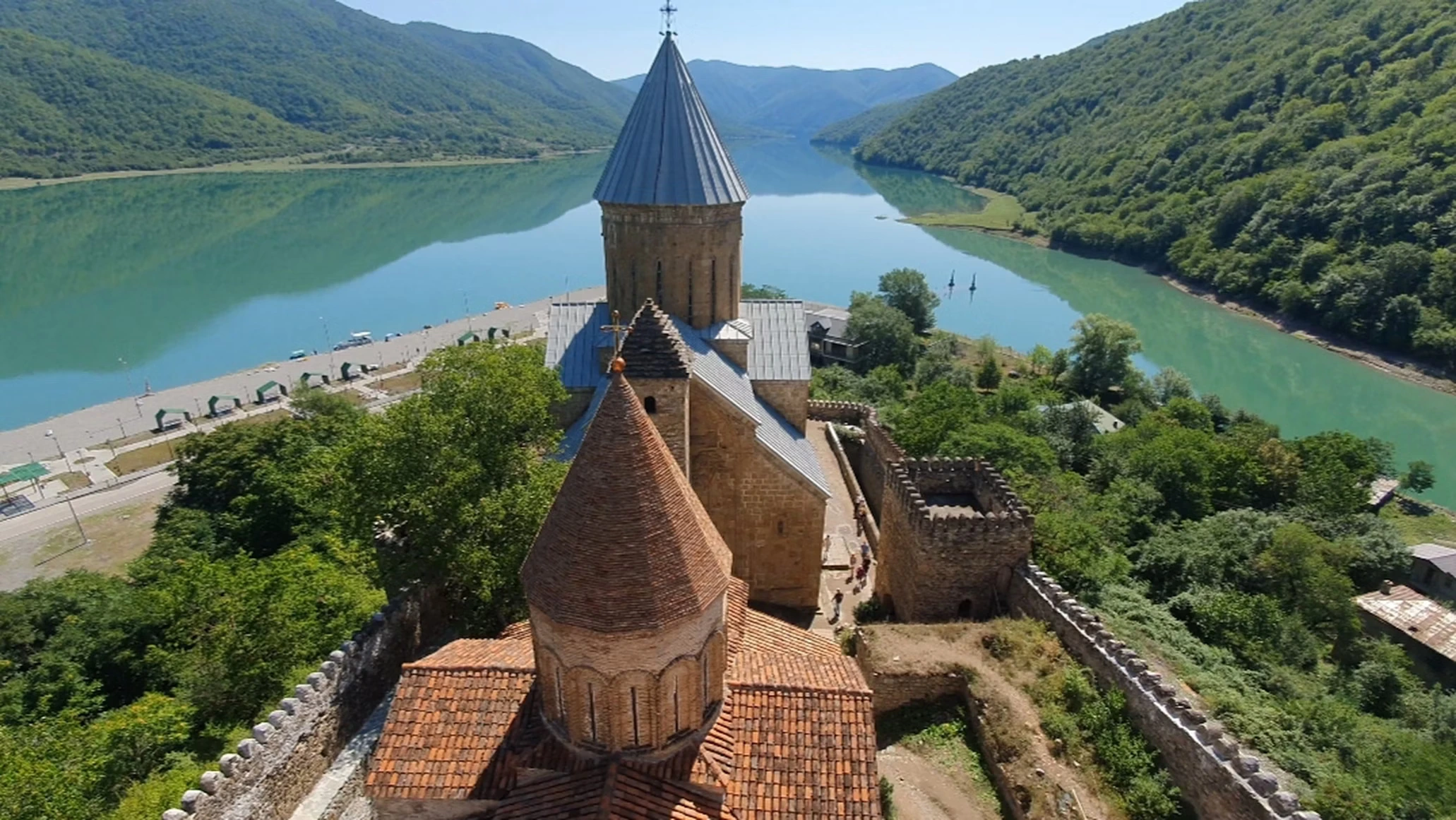
For millions of Georgians living abroad, maintaining a connection to their cultural heritage is both a priority and a challenge. Whether you've moved for work, education, or family reasons, staying connected to Georgian culture, language, and traditions helps preserve your identity and pass it on to future generations. In 2026, technology and globalization have made this easier than ever before, offering numerous ways to keep Georgia close to your heart no matter where you live.
The Georgian diaspora is spread across the world, with significant communities in Russia, Greece, Germany, the United States, and many other countries. Each person's journey is unique, but the desire to maintain cultural connections is universal. This comprehensive guide explores practical strategies and resources for staying connected to Georgian culture while living abroad, helping you feel at home wherever you are.
Watching Georgian Television and Media
One of the most effective ways to stay connected to Georgian culture is through television and media consumption. Georgian TV channels offer a window into daily life back home, keeping you informed about current events, political developments, and cultural trends. Major channels like Rustavi 2, Imedi TV, TV Pirveli, and Mtavari Arxi all offer online streaming services that work anywhere in the world.
Watching Georgian news helps you stay informed about what's happening in Georgia, from political developments to social issues and local stories. This knowledge keeps you connected to the national conversation and helps you participate meaningfully in discussions with family and friends back home. Entertainment programs, series, and reality shows provide glimpses into contemporary Georgian life, showing how society is evolving and what issues people care about.
For children growing up abroad, Georgian television serves as an important language learning tool. Cartoons, children's shows, and educational programming in Georgian help young people maintain and develop their language skills. Many parents make watching Georgian TV a daily family activity, creating a routine that reinforces language learning and cultural awareness.
Maintaining and Developing Language Skills
The Georgian language is central to cultural identity, and maintaining proficiency is crucial for staying connected to your heritage. For adults living abroad, regular practice is essential. Speaking Georgian at home with family members, even when living in a country where another language dominates, helps maintain fluency and ensures children grow up bilingual.
Reading Georgian books, newspapers, and websites keeps your language skills sharp while keeping you informed about Georgian literature and current affairs. Many Georgian publishers now offer digital versions of books and magazines, making Georgian literature accessible worldwide. Following Georgian news websites, blogs, and social media accounts provides daily reading practice in your native language.
Language learning apps and online courses can help maintain and improve Georgian language skills. While these are often designed for non-native speakers, they can also help native speakers who've been away from Georgia for extended periods refresh their vocabulary and grammar. Some apps specifically target heritage speakers – people who grew up speaking Georgian but want to improve their formal language skills.
For children, Georgian language schools and weekend classes exist in many cities with significant Georgian populations. These schools teach not just language but also Georgian history, geography, and culture. If formal schools aren't available in your area, online tutoring services connect students with Georgian teachers who can provide personalized language instruction via video calls.
Cooking and Food Culture
Georgian cuisine is renowned worldwide, and cooking traditional dishes at home is a delicious way to maintain cultural connections. Preparing khachapuri, khinkali, pkhali, and other Georgian favorites brings the tastes and smells of home into your kitchen, creating powerful sensory connections to your heritage. Cooking also provides opportunities to pass culinary traditions to younger generations, teaching them not just recipes but also the cultural significance of different dishes.
Many cities with Georgian communities have shops selling Georgian products – from spices and sauces to wines and cheeses. Supporting these businesses helps maintain the community while ensuring you have access to authentic ingredients. When Georgian stores aren't available locally, online retailers ship Georgian products internationally, though shipping costs can be high.
Hosting Georgian dinners for friends and family, whether Georgian or from your host country, shares your culture with others while creating opportunities for cultural exchange. These gatherings often become cherished traditions, bringing together people who appreciate Georgian hospitality and cuisine. Teaching non-Georgian friends about traditional dishes, their names, and their cultural significance helps spread awareness of Georgian culture.
Celebrating Georgian Holidays and Traditions
Observing Georgian holidays and traditions helps maintain rhythms of cultural life even when far from home. Major celebrations like New Year, Georgian Orthodox Christmas, Tbilisoba, and Independence Day can be observed abroad with appropriate modifications. Many Georgian communities organize public celebrations of these holidays, providing opportunities to gather with fellow Georgians and celebrate together.
Religious holidays hold special significance for many Georgians. The Georgian Orthodox Church has parishes in many countries, offering services in Georgian and providing spiritual connection to the homeland. Even where Georgian Orthodox churches don't exist, celebrating religious holidays at home with traditional foods and customs maintains these important traditions.
Family traditions around holidays, birthdays, and other special occasions help children understand their cultural heritage. Explaining the significance of different customs, teaching traditional songs and dances, and involving children in holiday preparations creates lasting memories and cultural knowledge. These traditions become anchors of identity, especially important for children growing up in multicultural environments.
Connecting with Georgian Communities
Joining Georgian community organizations provides invaluable social connections and cultural support. Most cities with significant Georgian populations have community centers, cultural associations, or informal networks that organize events, provide mutual support, and advocate for community interests. These organizations often host cultural events, language classes, and social gatherings that strengthen community bonds.
Social media has revolutionized how diaspora communities stay connected. Facebook groups, Instagram pages, and other platforms dedicated to Georgians in specific countries or cities provide spaces for sharing information, asking questions, and organizing meetups. These online communities complement in-person connections, creating hybrid social networks that span physical and digital spaces.
Professional networks for Georgian diaspora members exist in many fields, from technology and medicine to arts and business. These networks facilitate career development while maintaining cultural connections, often organizing networking events that combine professional and social purposes. Supporting fellow Georgians professionally strengthens community bonds and creates opportunities for collaboration.
Visiting Georgia Regularly
Nothing replaces actually visiting Georgia. Regular trips home allow you to maintain personal relationships, experience cultural developments firsthand, and show your children where you come from. Even short visits can be rejuvenating, reminding you why staying connected to Georgian culture matters and providing fresh motivation to maintain your heritage abroad.
Planning visits around major holidays or family celebrations maximizes the cultural impact of your time in Georgia. Participating in traditional celebrations, attending cultural events, and experiencing Georgian hospitality in its home environment provides experiences impossible to replicate abroad. These visits also allow children to develop their own relationships with Georgia, creating personal connections beyond what parents tell them.
For those unable to visit frequently due to cost or logistics, video calls with family and friends in Georgia provide regular face-to-face contact. Modern technology makes these connections easy and affordable, allowing you to participate virtually in family gatherings, watch children grow up, and maintain close relationships despite physical distance.
Teaching Children About Georgian Heritage
For parents raising children abroad, passing on Georgian culture is both a priority and a challenge. Children naturally absorb the culture of where they live, making intentional cultural education essential. Creating a Georgian environment at home through language, food, music, and traditions helps children develop strong cultural identities that embrace both their Georgian heritage and their current home.
Stories about Georgia, its history, and your family's experiences there help children understand their heritage. Showing them photos and videos of Georgia, explaining family history, and sharing memories creates narrative connections to the homeland. These stories become part of children's own identity narratives, helping them understand where they come from.
Encouraging children to take pride in their Georgian heritage while embracing their multicultural identity helps them develop confident, integrated identities. Explaining that being Georgian doesn't conflict with being citizens of their current country – that they can be both – helps children navigate the complexities of diaspora identity.
Digital Resources and Technology
The internet has transformed how diaspora communities maintain cultural connections. Georgian news websites, streaming services, and social media provide constant access to content from Georgia. Following Georgian influencers, artists, and public figures on social media keeps you updated on cultural trends and popular culture.
Podcasts in Georgian cover everything from news and politics to entertainment and personal development. These audio programs are perfect for maintaining language skills during commutes or while doing household tasks. Some podcasts specifically target diaspora Georgians, addressing issues relevant to life abroad while maintaining Georgian language and perspectives.
Georgian music streaming services and YouTube channels provide access to both traditional and contemporary Georgian music. Creating playlists of favorite Georgian songs, discovering new artists, and sharing music with family and friends maintains musical connections to your culture. Music is especially powerful for children, who often connect to culture through songs they learn and sing.
The Importance of Cultural Connection
Maintaining connections to Georgian culture while living abroad enriches your life in multiple ways. It provides sense of identity and belonging, connects you to a community that shares your heritage, and allows you to pass important traditions to future generations. Cultural connections also provide psychological benefits, offering comfort and stability in unfamiliar environments.
For Georgia itself, a connected diaspora benefits the nation. Georgians abroad serve as cultural ambassadors, spreading awareness of Georgian culture, supporting Georgian businesses, and sometimes investing in Georgian economy. Many diaspora members eventually return to Georgia, bringing skills and perspectives gained abroad that contribute to national development.
Staying connected to Georgian culture while living abroad requires effort and intention, but the rewards are immeasurable. By combining traditional practices with modern technology, maintaining language skills, participating in community activities, and teaching younger generations, you ensure that Georgian culture remains vibrant and meaningful in your life, regardless of where in the world you call home.
Living Abroad: How to Stay Connected to Georgian Culture in 2026